 3 hours ago
Introduction
The manufacturing industry in the United States is currently grappling with a significant challenge: a shortage of skilled engineering talent. This shortage is impacting production timelines, innovation capabilities, and overall competitiveness in the global market. As manufacturing companies strive to meet increasing demand and adopt advanced technologies, the scarcity of qualified engineers, particularly in computer-aided design (CAD), has become a bottleneck that threatens to slow progress and reduce efficiency across the sector.
In response to this pressing issue, the IDEA Group, a leading provider of engineering support services, has announced its expansion into Houston, Texas. This strategic move aims to deliver on-demand CAD engineering support to manufacturers struggling to fill critical roles, thereby helping to alleviate the talent crunch and sustain growth in the sector. By leveraging flexible, scalable engineering resources, IDEA Group seeks to empower manufacturers to maintain their competitive edge and accelerate innovation despite workforce challenges.
Context: The Engineering Talent Shortage in U.S. Manufacturing
The U.S. manufacturing sector has long been a cornerstone of the national economy, contributing significantly to GDP and employment. However, recent years have seen a growing gap between the demand for skilled engineers and the available workforce. Several factors contribute to this shortage:
- Demographic shifts: Many experienced engineers are reaching retirement age, and there are not enough younger professionals entering the field to replace them. This generational gap is creating a vacuum of expertise that is difficult to fill quickly.
- Educational pipeline issues: STEM education programs have not kept pace with industry needs, resulting in fewer graduates with the necessary skills. Additionally, many engineering programs lack sufficient focus on practical CAD and manufacturing technologies, leaving new graduates underprepared for current industry demands.
- Technological advancements: The rapid evolution of manufacturing technologies, including automation, digital twins, and advanced CAD tools, requires engineers to have specialized and continuously updated skills. Keeping up with these changes demands ongoing training and adaptability, which many organizations struggle to provide.
- Competitive labor market: Engineering talent is in high demand across multiple sectors, including technology, energy, aerospace, and automotive industries. This competition drives up salaries and makes it challenging for manufacturing firms, especially small and mid-sized companies, to attract and retain qualified candidates.
This shortage has tangible consequences for manufacturers. Delays in product development cycles, increased costs due to outsourcing or overtime labor, and reduced capacity for innovation are some of the challenges companies face. The shortage also threatens the U.S.'s ability to maintain its manufacturing leadership globally, as other countries invest heavily in workforce development and advanced manufacturing technologies.
Core Issue: Impact on Manufacturing and the Role of CAD Engineering
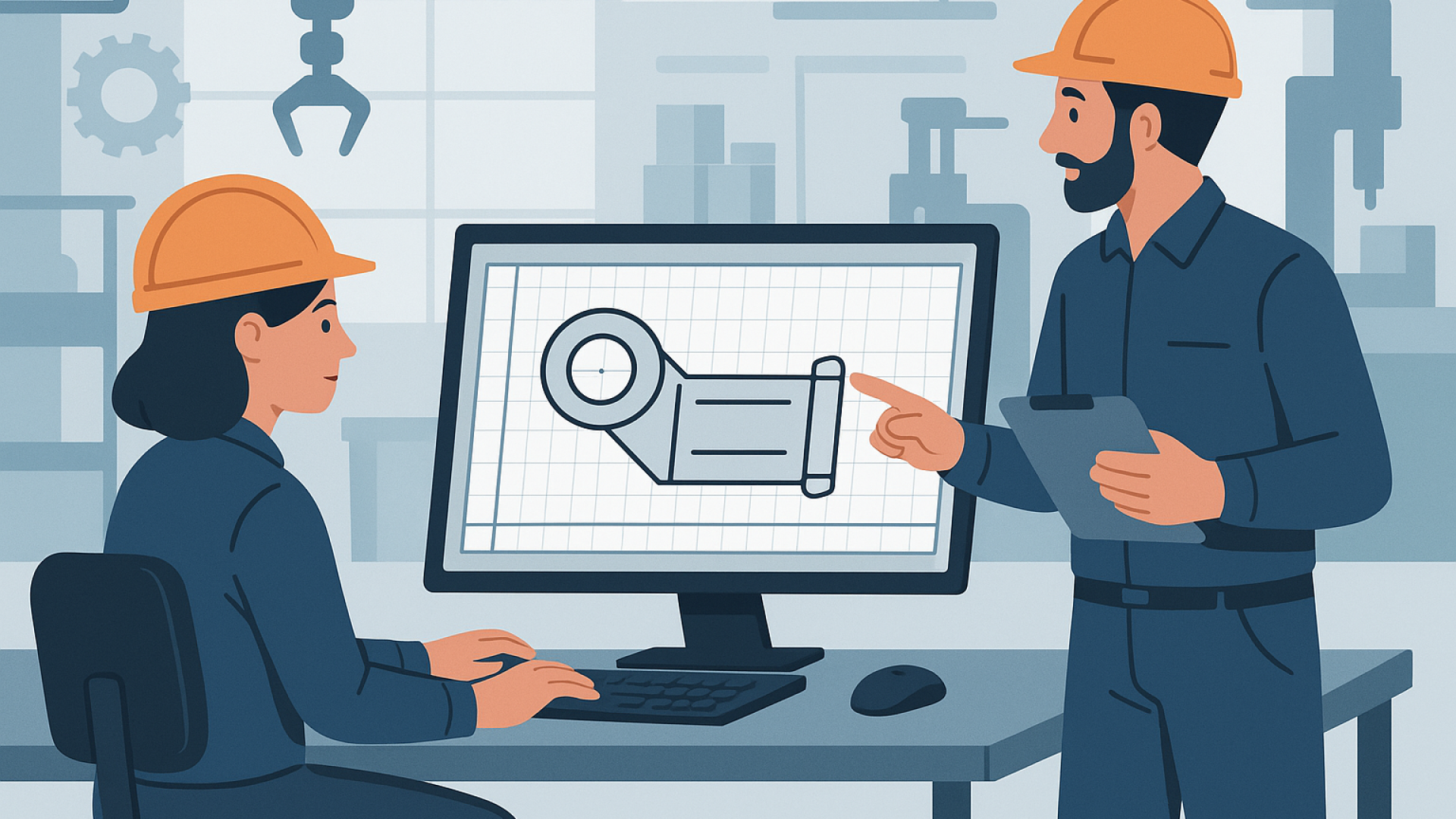
Computer-aided design (CAD) engineering is a critical component of modern manufacturing. CAD tools enable engineers to create precise digital models of products, simulate performance under various conditions, and streamline the transition from design to production. Skilled CAD engineers are essential for optimizing product designs, reducing errors, and accelerating time-to-market, which directly impacts a company's ability to compete.
With the shortage of engineering talent, many manufacturers find it difficult to maintain adequate CAD support. This leads to bottlenecks in the design phase, increased risk of costly mistakes, and slower iteration cycles. Smaller manufacturers, in particular, may lack the resources to hire full-time CAD engineers, further exacerbating the problem. Without sufficient CAD expertise, companies may experience longer lead times, higher prototyping costs, and challenges in meeting customer specifications.
Moreover, the complexity of modern products demands multidisciplinary CAD skills, including knowledge of mechanical, electrical, and software integration. The scarcity of engineers proficient in these areas limits manufacturers' ability to innovate and adapt to rapidly changing market requirements.
Solution: IDEA Group's Expansion to Houston and On-Demand CAD Support
The IDEA Group's decision to expand its operations to Houston represents a strategic response to the engineering talent shortage. Houston, with its robust industrial base encompassing energy, aerospace, and manufacturing sectors, along with a growing technology ecosystem, is an ideal location to provide engineering services to manufacturers across the region and beyond.
IDEA Group specializes in delivering on-demand CAD engineering support, offering flexible, scalable solutions tailored to manufacturers' needs. Their services include:
- Remote CAD drafting and modeling: Engineers work remotely to create and modify digital designs, reducing the need for in-house staff and enabling manufacturers to access expertise regardless of location.
- Design validation and simulation: Using advanced software, IDEA Group helps manufacturers test designs virtually to identify potential issues early, minimizing costly physical prototyping and rework.
- Rapid prototyping support: Assistance with preparing designs for 3D printing and other prototyping methods accelerates product development and helps validate concepts quickly.
- Consulting and training: Providing expertise to help manufacturers optimize their design processes and upskill existing staff ensures long-term improvements in efficiency and capability.
This on-demand model offers several advantages:
- Cost efficiency: Manufacturers can access expert CAD support without the overhead of full-time hires, reducing fixed labor costs and improving budget flexibility.
- Flexibility: Services can be scaled up or down based on project demands, allowing companies to respond quickly to market fluctuations and product development cycles.
- Access to specialized skills: IDEA Group's engineers are experienced in various industries and CAD platforms, providing manufacturers with a broad range of expertise that may be difficult to find locally.
- Faster turnaround times: By supplementing internal teams, manufacturers can accelerate design cycles, reduce time-to-market, and improve responsiveness to customer needs.
Furthermore, IDEA Group's Houston expansion includes investments in state-of-the-art collaboration tools and secure data management systems, ensuring seamless integration with client workflows and protecting intellectual property.
Broader Implications and Industry Trends
The engineering talent shortage is not unique to the U.S., but the country’s manufacturing sector is particularly vulnerable due to its scale and complexity. The IDEA Group’s approach reflects a broader trend toward leveraging technology and flexible service models to address workforce challenges.
Other strategies being explored industry-wide include:
- Investment in STEM education: Encouraging more students to pursue engineering careers through scholarships, internships, and partnerships with educational institutions helps build a stronger future workforce. Programs that emphasize hands-on CAD training and exposure to manufacturing environments are particularly valuable.
- Automation and AI integration: Using artificial intelligence to automate routine design tasks, such as drafting and error checking, frees engineers to focus on higher-level creative and analytical work. AI-driven generative design tools are also transforming how products are conceptualized and optimized.
- Reskilling and upskilling: Providing current employees with training to adapt to new technologies and methodologies ensures that the existing workforce remains relevant and productive. Continuous learning initiatives help bridge skill gaps and improve retention.
- Global talent sourcing: Hiring engineers from international markets to fill gaps can provide immediate relief, though it requires navigating visa regulations, cultural integration, and communication challenges.
While these approaches help, the immediate need for skilled CAD engineers remains acute, making on-demand services like those offered by IDEA Group a valuable stopgap and long-term partner for manufacturers. By combining flexible staffing with advanced technical capabilities, such services enable companies to maintain momentum in product development and innovation despite workforce constraints.
Conclusion
The shortage of engineering talent, particularly in CAD design, poses a significant challenge to the U.S. manufacturing sector’s growth and competitiveness. IDEA Group’s expansion into Houston to provide on-demand CAD engineering support offers a practical and innovative solution to this problem. By enabling manufacturers to access expert design services flexibly and cost-effectively, IDEA Group helps mitigate the impact of the talent gap and supports the industry’s ongoing transformation.
Addressing the engineering talent shortage will require a multifaceted approach involving education, technology, and new service models. The IDEA Group’s initiative exemplifies how companies can adapt to evolving workforce dynamics and continue driving innovation in manufacturing. As the sector evolves, partnerships that combine human expertise with technological advancements will be critical to sustaining U.S. manufacturing leadership in a competitive global landscape.