 1 hour ago
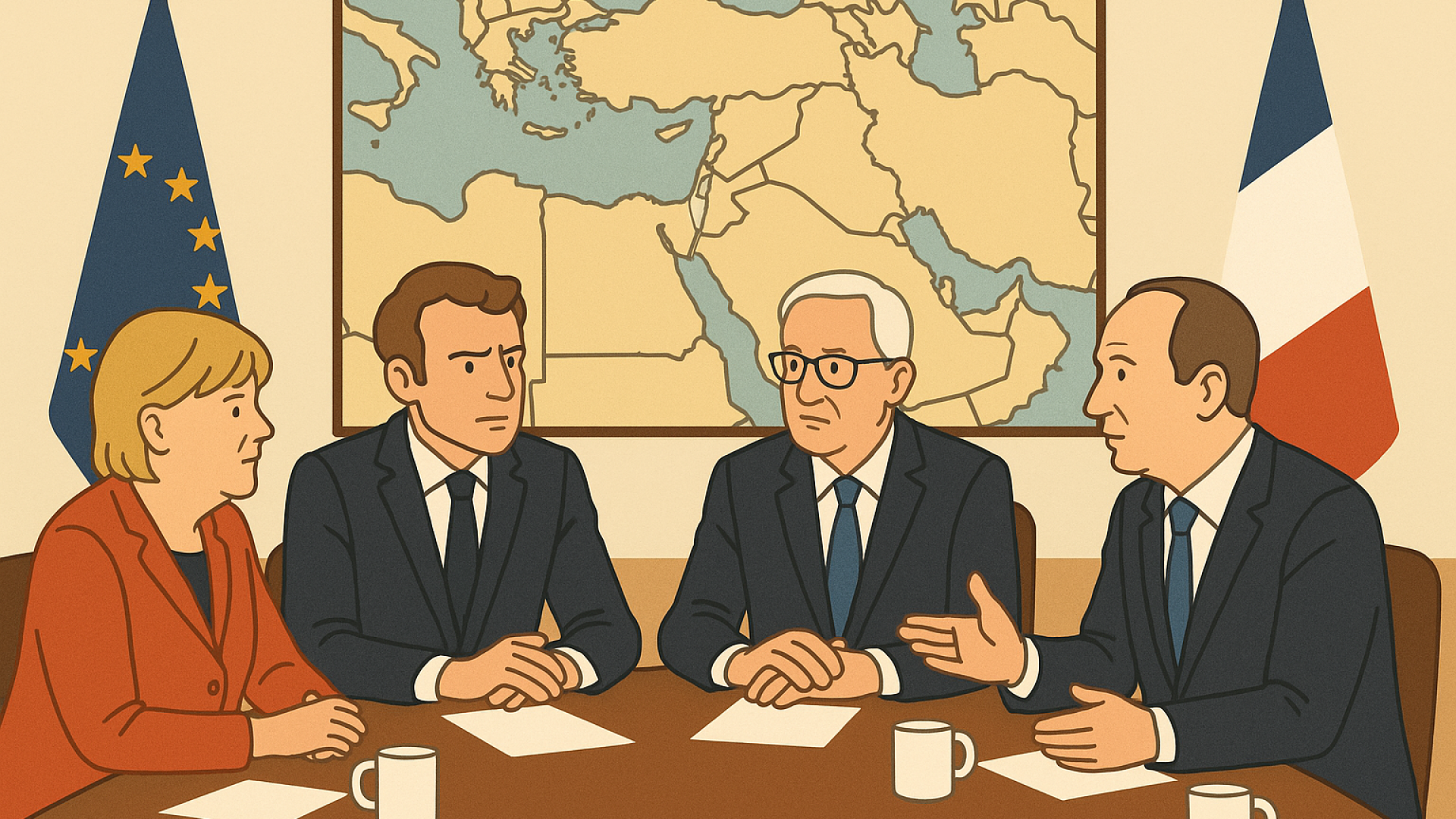
On March 19, 2026, Europe finds itself at a critical juncture as leaders from across the continent gather to confront the escalating crisis in the Middle East. The ongoing conflict, which has intensified in recent weeks, is not only a humanitarian disaster but also a significant economic and political challenge for European nations. This article explores the context of the conflict, its impact on Europe, the core issues at stake, and potential solutions that European leaders are considering to mitigate the fallout.
Context: The Middle East Conflict and Its Global Ripple Effects
The Middle East has long been a region marked by geopolitical tensions, but recent developments have brought renewed instability. The conflict, involving multiple state and non-state actors, has led to increased violence, disruption of energy supplies, and a surge in refugee flows. Europe, due to its geographic proximity and economic ties, is particularly vulnerable to these disruptions.
In recent weeks, the conflict has expanded to include attacks on critical infrastructure, such as the recent strike on a gas plant in Qatar. This event has sent shockwaves through global energy markets, driving up prices and exacerbating inflationary pressures already felt across Europe. The situation is further complicated by the involvement of external powers, including the United States, which has issued warnings against further escalation. These developments have underscored the interconnectedness of global economies and the fragility of supply chains in times of geopolitical strife.
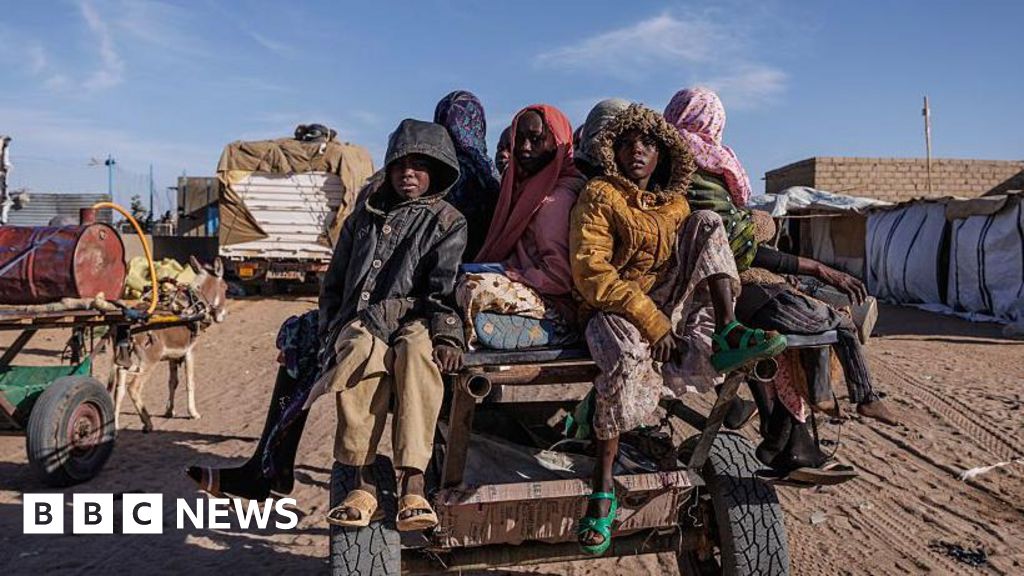
Moreover, the humanitarian dimension of the conflict cannot be overstated. The intensification of hostilities has resulted in significant civilian casualties and displacement, prompting urgent calls for international intervention and aid. The Middle East's strategic importance as a crossroads of commerce, culture, and energy resources means that instability in the region reverberates far beyond its borders, affecting global markets and diplomatic relations.
Core Issues: Economic Costs and Political Ramifications for Europe
Europe's dependence on Middle Eastern energy exports means that any disruption has immediate and far-reaching consequences. The spike in energy prices has contributed to rising costs for consumers and businesses, threatening economic growth and stability. Inflationary pressures have intensified, impacting household budgets and increasing the cost of goods and services across the continent. This economic strain risks slowing down the recovery from previous global disruptions such as the COVID-19 pandemic and supply chain bottlenecks.
Additionally, the conflict has intensified migration pressures, with increased numbers of refugees seeking asylum in European countries. This influx challenges social services, housing, and healthcare systems, while also testing the political cohesion of the European Union. Member states face differing capacities and willingness to accommodate refugees, leading to tensions and debates over burden-sharing and integration policies.
Politically, the crisis has exposed divisions within the European Union regarding foreign policy and defense strategies. Some member states advocate for a more assertive stance, including increased military support for allies in the region, while others prioritize diplomatic engagement and humanitarian aid. This divergence complicates efforts to present a unified European response, highlighting the challenges of consensus-building in a diverse political landscape.
Furthermore, the conflict has reignited discussions about Europe's strategic autonomy and its role on the global stage. Questions about reliance on external powers, particularly the United States and NATO, have come to the forefront, prompting debates on enhancing European defense capabilities and fostering greater cooperation among member states. The situation also raises concerns about the potential for extremist groups to exploit the instability, necessitating vigilant security measures.
Solutions: Coordinated European Strategies to Address the Crisis
In response to these challenges, European leaders are exploring a range of strategies aimed at stabilizing the situation and protecting their interests. Key measures under consideration include:
- Energy Diversification: Accelerating investments in renewable energy sources such as wind, solar, and hydrogen technologies to reduce dependence on Middle Eastern oil and gas. Efforts are also underway to secure alternative suppliers from regions like North Africa and the Americas, alongside enhancing energy efficiency measures to lower overall consumption.
- Humanitarian Assistance: Increasing funding and support for refugee resettlement programs and aid organizations operating in conflict zones. This includes expanding capacity for asylum processing, improving integration initiatives, and coordinating with international partners to ensure effective delivery of aid.
- Diplomatic Initiatives: Enhancing diplomatic efforts to broker ceasefires and promote dialogue among conflicting parties. The European Union is leveraging its diplomatic channels and partnerships with global actors to facilitate negotiations, support peacebuilding efforts, and encourage adherence to international law.
- Security Cooperation: Strengthening intelligence sharing and counterterrorism measures within the EU to prevent spillover violence and address potential threats arising from the conflict. This involves closer collaboration between national security agencies, joint training exercises, and investment in cybersecurity infrastructure.
- Economic Support: Implementing fiscal policies to cushion the impact of rising energy costs on vulnerable populations and businesses. Measures include targeted subsidies, tax relief, and support for small and medium-sized enterprises to maintain economic resilience during the crisis.
Additionally, there is a growing emphasis on fostering innovation and technological development to enhance Europe's strategic independence. Initiatives aimed at developing domestic energy production capabilities, such as offshore wind farms and nuclear energy projects, are gaining momentum. These efforts are complemented by policies promoting sustainable development and climate goals, aligning short-term crisis management with long-term environmental objectives.
Conclusion: Navigating Uncertainty with Unity and Resilience
The Middle East conflict presents a multifaceted challenge for Europe, intertwining economic vulnerabilities with complex political dynamics. As leaders meet to chart a course forward, the emphasis is on balancing immediate crisis management with long-term strategic planning. Success will depend on the ability of European nations to overcome internal divisions and act cohesively, leveraging their collective resources to mitigate risks and promote stability both within the continent and beyond.
While the path ahead is fraught with uncertainty, the ongoing dialogue and proposed initiatives signal a commitment to addressing the crisis with pragmatism and solidarity. Europe's response to the Middle East conflict will not only shape its own future but also influence global efforts toward peace and security in a turbulent world. By embracing cooperation, innovation, and resilience, Europe aims to navigate these turbulent times and emerge stronger, more unified, and better prepared for future challenges.