 1 hour ago
Introduction
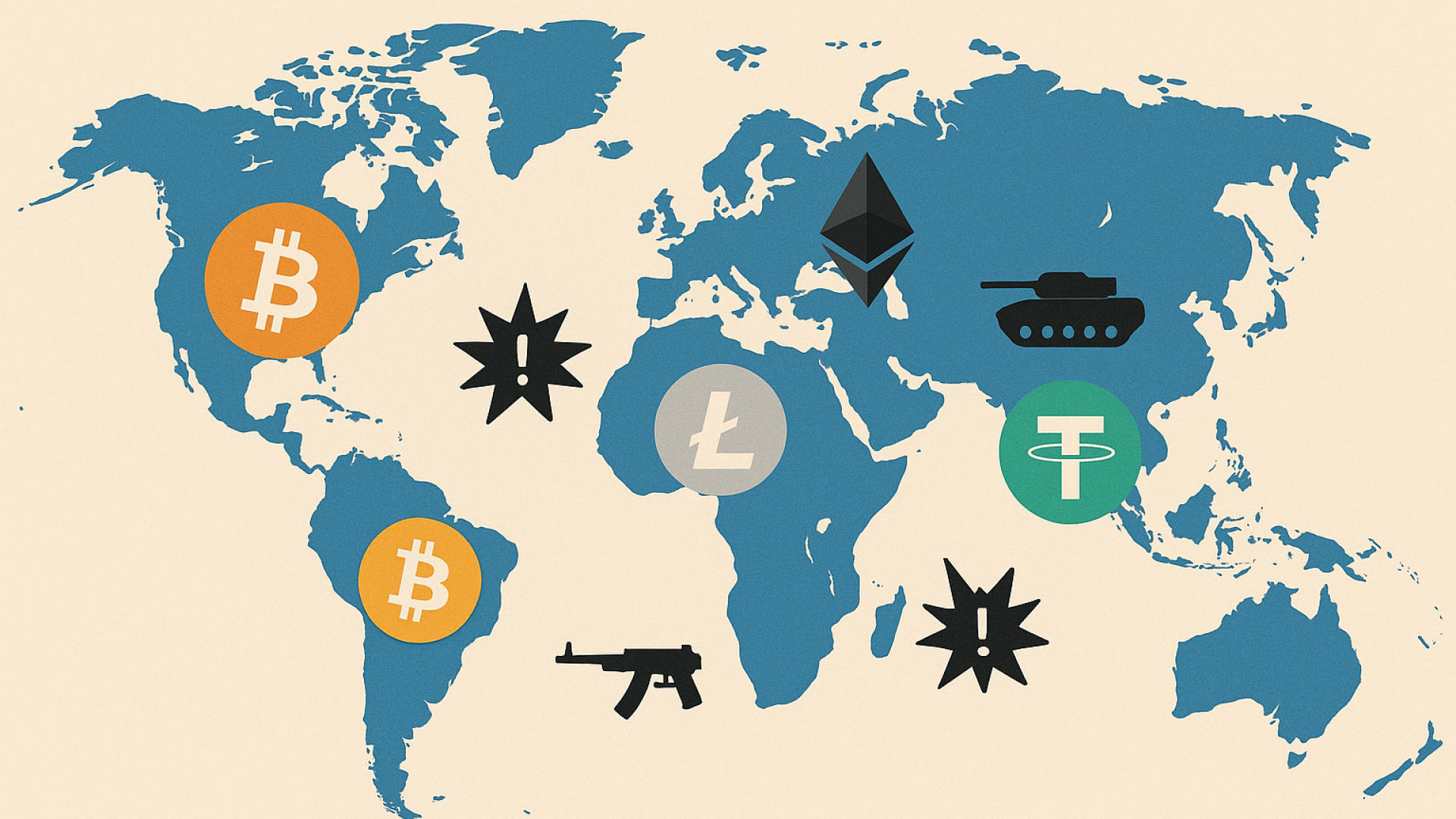
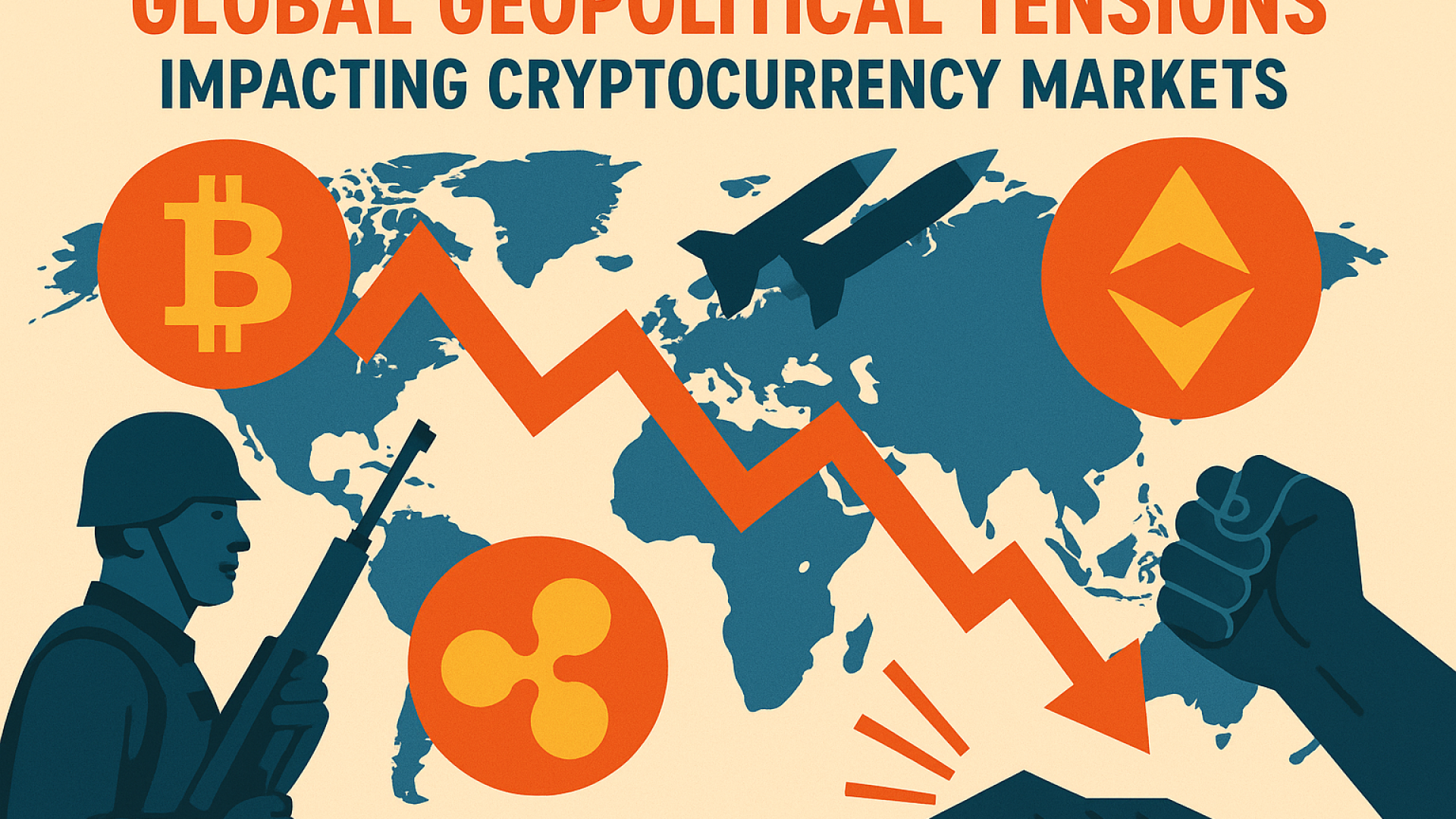
In 2026, the global landscape is marked by heightened geopolitical tensions that are reshaping economic and financial markets worldwide. Among the most affected sectors is the cryptocurrency market, which has experienced significant fluctuations and evolving regulatory scrutiny. This article explores how geopolitical conflicts and diplomatic strains influence cryptocurrency markets, the underlying mechanisms driving these effects, and potential strategies for investors and policymakers to navigate this complex environment.
Context: The Rising Geopolitical Tensions of 2026
The year 2026 has seen a series of geopolitical flashpoints that have intensified global uncertainty. From escalating conflicts in Eastern Europe and the Middle East to trade disputes between major economic powers, these tensions have disrupted traditional markets and financial systems. The interconnectedness of global economies means that such conflicts do not remain isolated; instead, they ripple across borders, impacting investor confidence and capital flows.
Cryptocurrencies, often touted as decentralized and borderless assets, have not been immune to these developments. While some investors view digital currencies as a hedge against traditional market instability, others perceive them as vulnerable to geopolitical shocks due to their reliance on global infrastructure and regulatory environments. The dual nature of cryptocurrencies—as both a potential safe haven and a risky asset—has become increasingly apparent amid the geopolitical turmoil.
Core Analysis: How Geopolitical Tensions Affect Cryptocurrency Markets
1. Market Volatility and Investor Sentiment
Geopolitical crises tend to trigger sharp market reactions, and cryptocurrencies are no exception. Heightened uncertainty often leads to increased volatility as investors reassess risk and liquidity needs. For example, during periods of conflict escalation, cryptocurrencies like Bitcoin and Ethereum have experienced rapid price swings, reflecting shifts in investor sentiment. These fluctuations are often more pronounced than in traditional markets due to the relatively nascent and speculative nature of digital assets.
Moreover, geopolitical events can alter the perceived safe-haven status of cryptocurrencies. While some investors flock to digital assets to escape traditional market turmoil, others withdraw due to concerns over regulatory clampdowns or technological vulnerabilities exposed by geopolitical actors. The narrative around cryptocurrencies as a refuge during crises is thus contested and varies depending on the nature and location of the geopolitical event.
2. Regulatory Responses and Policy Shifts
Governments and regulatory bodies respond to geopolitical tensions with measures that can directly or indirectly impact cryptocurrency markets. These include sanctions targeting specific countries or entities, restrictions on cross-border capital flows, and enhanced scrutiny of digital asset transactions to prevent illicit financing. Such regulatory actions often aim to curb the use of cryptocurrencies for evading sanctions or funding conflicts.
For instance, sanctions imposed on nations involved in conflicts often extend to cryptocurrency exchanges and wallet providers, compelling them to implement stricter compliance protocols. This can reduce market liquidity and increase transaction costs, affecting overall market dynamics. Additionally, some countries have introduced emergency regulations that temporarily restrict cryptocurrency trading or transfers to mitigate risks associated with geopolitical instability.
3. Technological and Infrastructure Risks
Geopolitical conflicts can threaten the technological infrastructure supporting cryptocurrencies. Cyberattacks, state-sponsored hacking, and disruptions to internet connectivity in conflict zones pose risks to blockchain networks and user access. Such attacks may target exchanges, wallets, or even the underlying blockchain protocols, aiming to destabilize financial systems or steal assets.
Additionally, geopolitical tensions may influence the development and deployment of blockchain technologies, as countries prioritize national security concerns over open innovation. This can lead to fragmentation of the global cryptocurrency ecosystem, with varying standards and interoperability challenges. For example, some nations may develop proprietary blockchain systems or impose restrictions on foreign blockchain technologies, complicating cross-border transactions and cooperation.
4. Capital Flight and Alternative Investment Flows
In times of geopolitical instability, capital flight from affected regions often increases, with investors seeking to preserve wealth. Cryptocurrencies can serve as an alternative investment vehicle, especially in countries with capital controls or unstable currencies. Their borderless nature and relative ease of transfer make them attractive for moving assets quickly and discreetly.
However, the extent to which cryptocurrencies absorb this capital depends on factors such as local regulatory acceptance, technological accessibility, and public trust. In some cases, geopolitical tensions have accelerated cryptocurrency adoption as a means of circumventing traditional financial restrictions. Conversely, in regions with heavy regulatory crackdowns or limited internet infrastructure, the use of cryptocurrencies may be constrained despite demand.
Potential Solutions and Strategies
For Investors
- Diversification: Investors should diversify portfolios across asset classes and geographies to mitigate risks associated with geopolitical shocks. Including a mix of traditional assets, cryptocurrencies, and alternative investments can help balance risk and return.
- Risk Management: Employing hedging strategies and setting clear risk thresholds can help manage volatility inherent in cryptocurrency markets during geopolitical crises. Utilizing options, futures, or stablecoins may provide additional risk mitigation tools.
- Stay Informed: Keeping abreast of geopolitical developments and regulatory changes is crucial for timely decision-making. Access to reliable news sources and expert analysis can enhance an investor’s ability to anticipate market movements.
For Regulators and Policymakers
- International Cooperation: Enhancing collaboration among countries can improve regulatory consistency and reduce opportunities for illicit activities. Joint frameworks and information sharing can strengthen enforcement and market stability.
- Balanced Regulation: Crafting policies that protect financial stability without stifling innovation is essential for the healthy growth of cryptocurrency markets. Regulators should engage with industry stakeholders to develop adaptable and forward-looking rules.
- Infrastructure Security: Investing in cybersecurity and resilient technological infrastructure can safeguard digital asset ecosystems against geopolitical threats. Public-private partnerships may be effective in enhancing security standards.
For Cryptocurrency Platforms and Developers
- Compliance Enhancement: Strengthening anti-money laundering (AML) and know-your-customer (KYC) protocols to align with evolving geopolitical realities is critical. Platforms must balance regulatory compliance with user privacy and accessibility.
- Decentralization Efforts: Promoting decentralized governance and infrastructure to reduce vulnerability to geopolitical disruptions can enhance system resilience. Decentralized exchanges and cross-chain interoperability are key areas of focus.
- Education and Transparency: Providing clear information to users about risks and regulatory changes helps build trust and resilience. Educational initiatives can empower users to make informed decisions amid uncertainty.
Conclusion
The interplay between geopolitical tensions and cryptocurrency markets in 2026 underscores the complex challenges and opportunities facing this emerging asset class. While cryptocurrencies offer potential benefits as alternative investments and financial tools, their susceptibility to geopolitical dynamics requires careful navigation by investors, regulators, and industry participants.
Moving forward, fostering a collaborative and adaptive approach that balances innovation with security and regulatory oversight will be key to ensuring that cryptocurrency markets can withstand geopolitical shocks and contribute positively to the global financial ecosystem. By understanding the multifaceted impacts of geopolitical tensions, stakeholders can better prepare for volatility and leverage the unique advantages that cryptocurrencies provide in an increasingly uncertain world.