 1 hour ago
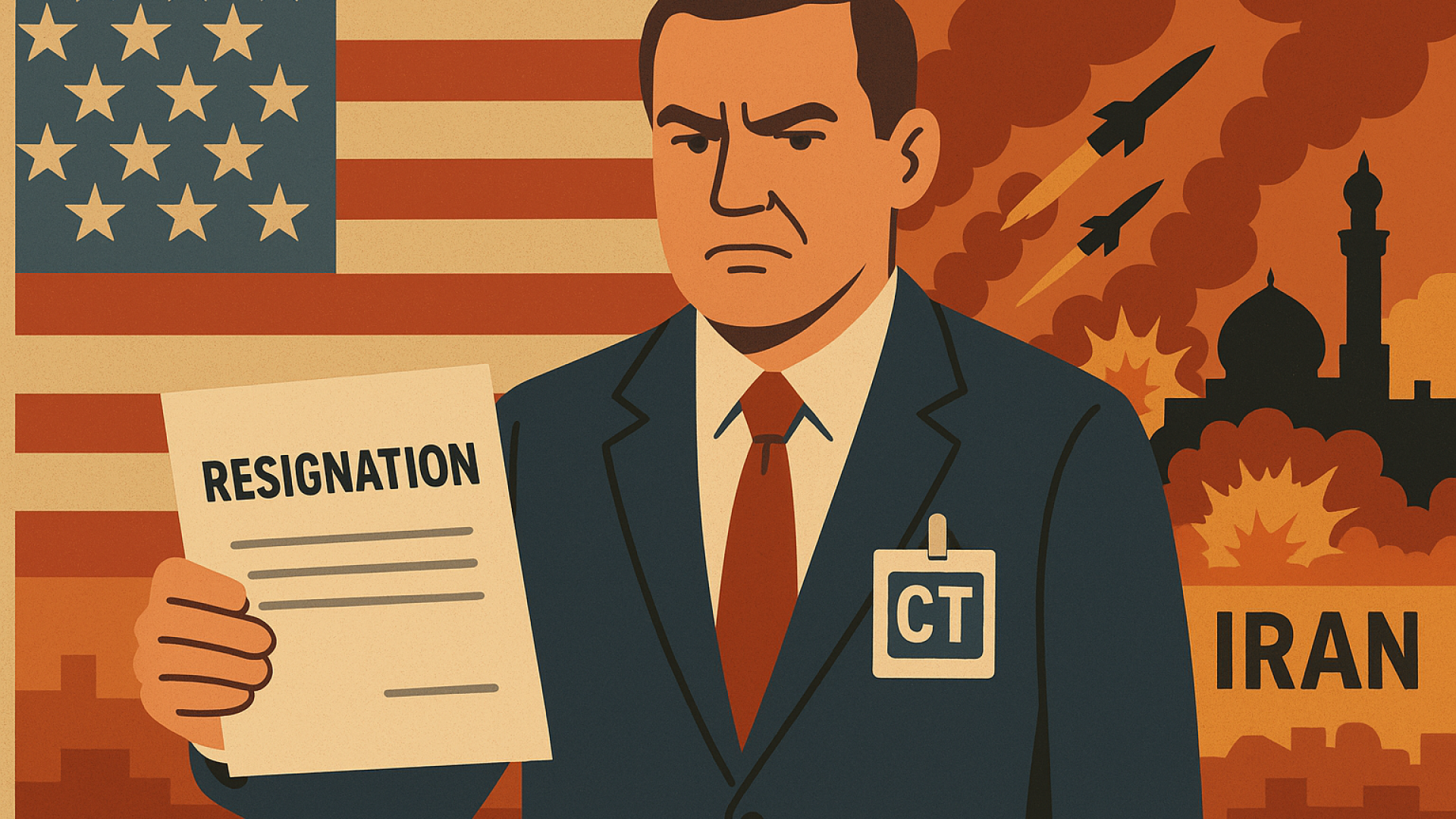
In a significant development that has captured the attention of policymakers, analysts, and international observers worldwide, Joe Kent, a top US counterterrorism official, announced his resignation on March 17, 2026. His departure comes amid escalating tensions between the United States and Iran, a conflict that has drawn widespread international concern and raised profound questions about the direction of US foreign policy, particularly under the lingering influence of former President Donald Trump’s administration.
Context: Rising Tensions and Controversial Policies
The US-Iran conflict has been a focal point of global geopolitical instability for many years, with intermittent escalations threatening broader regional and international security. The recent surge in hostilities, marked by a series of military strikes, proxy confrontations, and diplomatic standoffs, has intensified debates within the US government and among its allies about the appropriate course of action to ensure both national security and regional stability.
Joe Kent’s resignation is particularly notable because of his role as a senior counterterrorism official, a position that requires a nuanced understanding of both immediate threats and long-term strategic responses. His public criticism of the Trump administration’s Iran war policy underscores deep divisions within the US security establishment regarding the assessment of threats posed by Iran and the use of military force as a primary tool of foreign policy.
Throughout his tenure, Kent was known for his pragmatic approach to counterterrorism, emphasizing intelligence-driven strategies and caution in escalating conflicts. His decision to step down publicly signals a profound disagreement with the current trajectory of US policy toward Iran, which many critics argue has been overly aggressive and counterproductive.
Core Issues: No Imminent Threat and Policy Critique
In his resignation statement, Kent emphasized that Iran did not pose an imminent threat warranting the aggressive military posture adopted by the Trump administration and its successors. He argued that the escalation risked unnecessary conflict and destabilization, urging a reversal of the current course to prioritize diplomatic engagement, strategic restraint, and multilateral cooperation.
This stance challenges the prevailing narrative within certain US political and military circles that Iran’s actions justify a hardline military approach. Kent’s perspective is grounded in intelligence assessments suggesting that Iran’s military capabilities and hostile intentions have been overstated in some quarters, leading to policy decisions that may exacerbate rather than mitigate risks.
He highlighted that the intelligence community’s evaluations often point to Iran’s strategic caution and preference for proxy engagements over direct confrontation with the US. Kent warned that misreading these signals could lead to miscalculations with severe consequences for regional and global security.
Broader Implications: US Foreign Policy and Global Stability
Kent’s resignation has reverberated far beyond Washington, signaling potential shifts in US counterterrorism and foreign policy strategies. It raises critical questions about the balance between military intervention and diplomacy, the role of intelligence in shaping policy, and the internal coherence of US national security decision-making processes.
Internationally, the resignation may influence both allies and adversaries, as it highlights dissent within the US government and the complexities of managing the Iran conflict. Allies in Europe and the Middle East, who have often advocated for diplomatic solutions, may see Kent’s departure as validation of their concerns about the risks of escalation.
Moreover, adversaries and regional actors are likely to interpret this development as a sign of potential shifts in US policy, which could affect their own strategic calculations. The resignation comes at a time when other global issues, such as energy security, regional alliances, and the ongoing challenges posed by non-state actors, are intricately linked to the stability of the Middle East.
Potential Solutions: Toward De-escalation and Strategic Dialogue
Addressing the challenges posed by the US-Iran conflict requires a multifaceted and carefully calibrated approach. Experts and former officials suggest that the US should consider recalibrating its strategy to emphasize diplomatic channels, confidence-building measures, and multilateral engagement. This could involve renewed negotiations on Iran’s nuclear program, regional security frameworks, and economic sanctions relief tied to verifiable commitments.
Such an approach would seek to reduce tensions by creating incentives for Iran to comply with international norms while addressing legitimate US security concerns. It would also require the US to engage with regional partners, including Gulf states and European allies, to build a consensus on managing Iran’s regional behavior.
Furthermore, enhancing intelligence transparency and fostering interagency consensus could improve policy coherence and public trust. Kent’s resignation underscores the importance of ensuring that intelligence assessments are accurately reflected in policy decisions and that dissenting views within the security community are given due consideration.
Engaging international organizations such as the United Nations and leveraging diplomatic backchannels may also help create a more stable environment conducive to peaceful resolution. Confidence-building measures, such as mutual de-escalation agreements and humanitarian cooperation, could serve as stepping stones toward broader negotiations.
Conclusion: Navigating a Complex Geopolitical Landscape
Joe Kent’s resignation is a pivotal moment that reflects the complexities and challenges of US foreign policy in the Middle East. It underscores the need for careful assessment of threats, prudent use of military power, and a renewed commitment to diplomatic solutions. As the US and the global community grapple with the implications of the Iran conflict, the call for a strategic course correction resonates as a critical imperative for peace and stability.
Moving forward, policymakers must weigh the lessons from this episode to craft responses that safeguard national security while minimizing the risks of escalation. The evolving situation demands vigilance, dialogue, and a willingness to adapt strategies in pursuit of long-term regional and global security.
Ultimately, Kent’s resignation serves as a reminder that effective counterterrorism and foreign policy require not only strength but also wisdom, restraint, and a deep understanding of the geopolitical landscape. The path ahead will be challenging, but with thoughtful leadership and international cooperation, there remains hope for a more stable and peaceful future.